
Philosophy and Culture: Thoughts for the Modern Voyager
In a world that often feels chaotic and fast-paced, the modern voyager seeks not just to travel but to understand the deeper meanings behind their journeys. Philosophy and culture intertwine to create a rich tapestry of experiences that can profoundly shape our perspectives and enrich our lives. This blog post explores how philosophy informs our understanding of culture and how both can guide the modern voyager in their quest for meaning and connection.
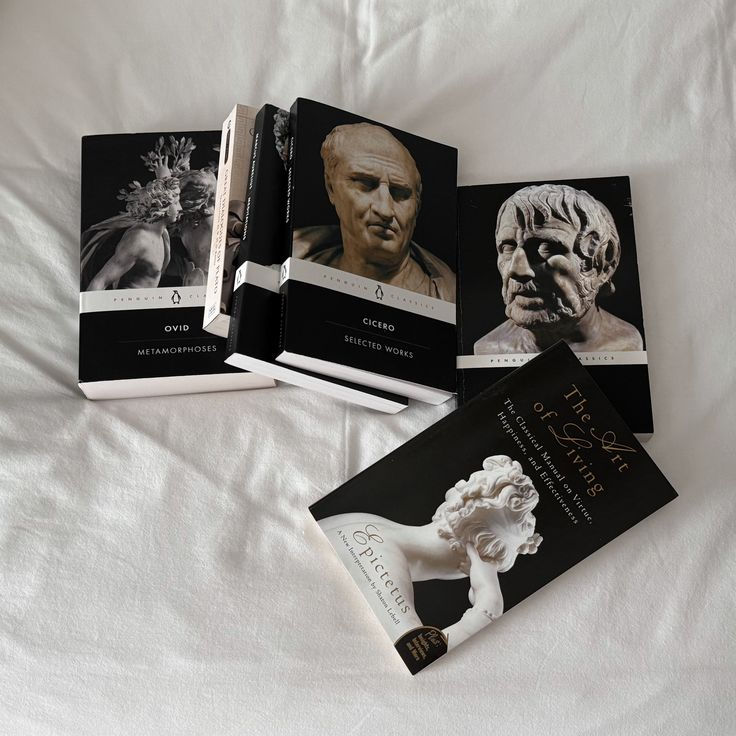
Understanding the Intersection of Philosophy and Culture
Philosophy is the study of fundamental questions regarding existence, knowledge, values, reason, and reality. Culture, on the other hand, encompasses the beliefs, practices, arts, and social norms of a particular group. When these two domains intersect, they provide a framework for understanding the world and our place within it.
The Role of Philosophy in Shaping Cultural Perspectives
Philosophy encourages critical thinking and self-reflection, which are essential for understanding cultural contexts. For example, existentialist philosophers like Jean-Paul Sartre and Simone de Beauvoir emphasized the importance of individual experience and choice. Their ideas can help modern voyagers appreciate the diverse narratives that shape different cultures.
Existentialism: This philosophy invites individuals to confront their own existence and the choices they make. It encourages travelers to engage with cultures on a personal level, fostering deeper connections.
Cultural Relativism: This concept posits that a person's beliefs and activities should be understood based on that person's own culture. It challenges travelers to suspend judgment and embrace the unfamiliar.
Cultural Influences on Philosophical Thought
Conversely, culture shapes philosophical thought. Different societies have unique philosophical traditions that reflect their values and experiences. For instance, Eastern philosophies such as Confucianism and Buddhism emphasize harmony, community, and the interconnectedness of all beings. These ideas can profoundly influence how modern voyagers approach their travels.
Confucianism: Focuses on the importance of relationships and social harmony, encouraging travelers to respect local customs and traditions.
Buddhism: Teaches mindfulness and the impermanence of life, prompting voyagers to appreciate the present moment during their journeys.
The Modern Voyager's Journey
For the modern voyager, travel is not merely about visiting new places; it is an opportunity for personal growth and cultural exchange. Here are some ways to integrate philosophical insights into your travels.
Embrace the Unknown
Traveling often involves stepping outside of your comfort zone. Philosophy teaches us that uncertainty is a part of life. Embracing the unknown can lead to transformative experiences.
Practice Openness: Approach new cultures with curiosity rather than judgment. This mindset allows for richer interactions and deeper understanding.
Reflect on Experiences: After each journey, take time to reflect on what you learned. Journaling can be a powerful tool for processing your thoughts and feelings.
Connect with Local Cultures
Engaging with local cultures enriches your travel experience. Philosophy encourages us to seek connections with others, fostering empathy and understanding.
Participate in Local Traditions: Attend festivals, workshops, or community events to immerse yourself in the culture.
Learn the Language: Even basic phrases can go a long way in building rapport with locals and showing respect for their culture.
Seek Meaningful Experiences
Travel is often about the experiences we create. Philosophy can guide you in seeking out meaningful interactions rather than superficial ones.
Ask Thoughtful Questions: Engage locals in conversations about their lives, beliefs, and traditions. This can lead to profound insights and connections.
Volunteer: Consider giving back to the communities you visit. This not only helps others but also deepens your understanding of the culture.
The Impact of Technology on Modern Voyaging
In today's digital age, technology plays a significant role in how we travel and connect with cultures. While it offers convenience, it also presents challenges that require philosophical reflection.
The Double-Edged Sword of Technology
Technology can enhance our travel experiences, but it can also create barriers to genuine connection.
Access to Information: The internet allows travelers to research destinations, cultures, and philosophies before they arrive. This knowledge can enrich the experience.
Social Media: While it can help share experiences, it can also lead to a focus on appearances rather than authentic interactions. Strive to balance online sharing with real-world engagement.
Finding Balance
Philosophy encourages us to seek balance in our lives. As modern voyagers, we can apply this principle to our use of technology.
Digital Detox: Consider unplugging during your travels to fully immerse yourself in the experience. This can lead to deeper connections and a greater appreciation for your surroundings.
Mindful Consumption: Be intentional about the content you consume online. Seek out resources that promote understanding and respect for different cultures.
The Future of Travel: A Philosophical Perspective
As we look to the future, the role of philosophy in travel will continue to evolve. The modern voyager must navigate a world that is increasingly interconnected yet diverse.
Embracing Global Citizenship
Philosophy can guide us toward becoming responsible global citizens. This involves recognizing our shared humanity while respecting cultural differences.
Cultural Sensitivity: Understand the impact of your actions as a traveler. Strive to leave a positive footprint in the places you visit.
Advocacy for Sustainability: Engage with local communities to support sustainable practices that protect their culture and environment.
Lifelong Learning
Travel is a journey of lifelong learning. Philosophy encourages us to remain curious and open-minded throughout our lives.
Continual Exploration: Seek out new experiences and perspectives, both at home and abroad. This commitment to learning fosters personal growth and cultural understanding.
Philosophical Inquiry: Engage with philosophical texts and discussions that challenge your views and expand your understanding of the world.
Conclusion
The modern voyager's journey is enriched by the interplay of philosophy and culture. By embracing the unknown, connecting with local cultures, and reflecting on our experiences, we can cultivate a deeper understanding of ourselves and the world around us. As we navigate the complexities of travel in the digital age, let us strive for balance and remain committed to lifelong learning. In doing so, we not only enhance our own journeys but also contribute positively to the cultures we encounter.
As you embark on your next adventure, remember that every journey is an opportunity for growth, connection, and understanding. Embrace the philosophy of travel, and let it guide you toward meaningful experiences that resonate long after your journey ends.


Comments